
Surgical Oncology
Specialised oncological care - with humanity above all else. The legacy of Prof. Dr. Agim Karaj.
Our historic speciality.
Breast tumours
Benign and malignant breast masses that require surgical removal and staging.
Gastrointestinal tract cancers
Tumours of the stomach, colon and rectum treated with oncological surgical intervention.
Skin tumours
Melanoma and skin carcinomas that require wide surgical excision.
Thyroid tumours
Thyroid nodules or cancer treated with partial or total removal of the gland.
Soft-tissue tumours
Sarcomas and other masses in muscle, fat and connective tissue.
Gynaecological tumours
Cancer of the cervix, ovaries and uterus that requires specialised surgical treatment.
The most commonly treated types of cancer
- 1. Breast cancer - one of the most common forms of cancer in women, treated with breast-conserving surgery or mastectomy
- 2. Skin cancer (including melanoma) - treated with wide surgical excision and, in some cases, lymph node dissection
- 3. Thyroid cancer - often has a good prognosis and is treated with partial or total removal of the thyroid gland
The procedures we perform.
- - Mastectomy - partial or total surgical removal of the breast to treat breast cancer
- - Lumpectomy (breast-conserving surgery) - removal of the breast tumour while preserving as much healthy tissue as possible
- - Mastectomy with lymph node dissection - removal of the breast together with the lymph nodes to assess the spread of the disease
- - Oncological thyroidectomy - partial or total removal of the thyroid in cases of thyroid cancer
- - Colectomy - removal of part or all of the colon to treat colorectal cancer
- - Melanoma excision - wide excision of a skin melanoma lesion with safety margins
- - Soft-tissue tumour excision - surgical removal of suspicious masses in muscle and connective tissue
- - Lymphadenectomy - removal of lymph nodes for staging and to monitor the spread of cancer
The patient at the centre.
Our team works on a multidisciplinary basis - the surgeon, the anaesthetist, the nurses and other specialists work together to provide the best possible treatment.
Pre-operative consultation
A full assessment, with examinations if required.
The treatment plan
A discussion of the options, with you involved in the decision.
The procedure
Carried out to EU standards.
Recovery
Monitoring, medication and guidance.
Follow-up
Check-up visits and long-term monitoring.
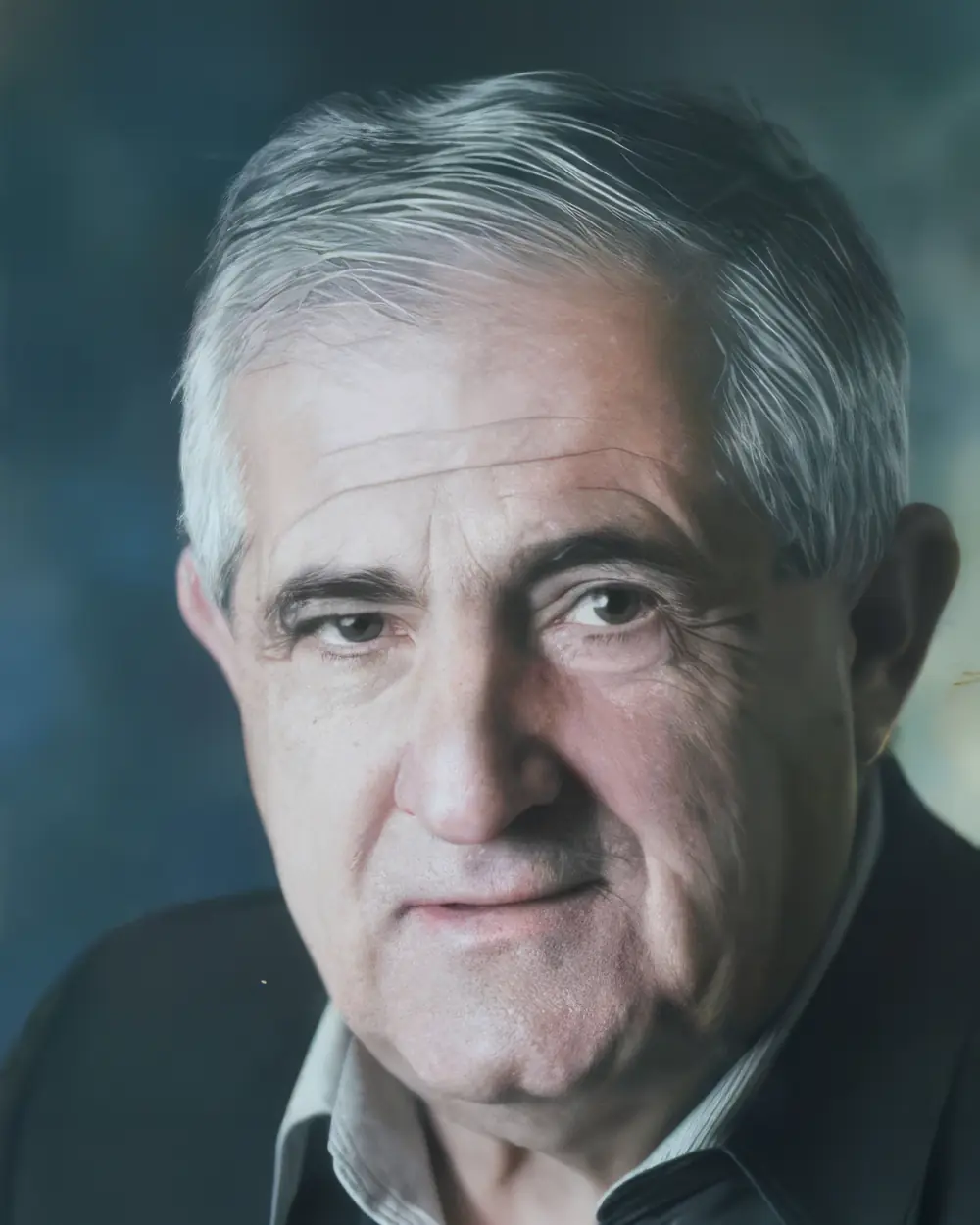
The legacy of Prof. Karaj.
Oncological surgery at Amavita was founded by Prof. Dr. Agim Karaj - specialised at the Institut Gustave Roussy (Paris) and known for rare procedures in skin cancer, melanoma and facial reconstruction.
His team continues the mission he began: oncological care from a specialised team.
Read more →Contemporary technology.
The department uses equipment and instruments in line with contemporary safety and sterility standards. For specific details, please contact our team.
Insurance that covers you.
All 4 major insurers cover our procedures: Intersig, Albsig, SIGAL and Sicred.
Learn more about insurance →



Your first consultation with us.
- - A full assessment of your history and symptoms
- - A physical examination
- - A discussion of your treatment options
- - A preliminary plan and timeline
- - Answers to your questions
Department FAQ.
Does needing oncological surgery mean my cancer is at an advanced stage?
Not necessarily. Oncological surgery is used for both diagnosis and treatment at early stages, as well as in more advanced cases, depending on the type of tumour and the stage of the disease.
Is surgery alone enough to treat cancer?
In some cases, yes, but surgery is often combined with other treatments such as chemotherapy, radiotherapy or targeted therapies, to improve outcomes and reduce the risk of recurrence.
How long is the recovery period after oncological surgery?
It depends on the type of operation and the patient's general condition. Minor procedures have a faster recovery, while major operations require weeks to months of follow-up and rehabilitation.
Do you accept international patients?
Yes. Contact your coordinator for logistical details.
Which insurance do you accept?
Intersig, Albsig, SIGAL, Sicred. Without insurance: cost according to the standard rate.